
Discover if buying in rich areas in London is truly worth the investment. Explore house prices, value trends, and expert insights on premium London areas.
Introduction
I’ll never forget ducking under an awning in Belgravia, rainwater dripping off my coat, when an elderly woman with a little dog glanced over and, honestly, gave me this sly grin. “Lovely weather, isn’t it?” she said, the sarcasm unmistakable. For a second, I felt like I was seeing behind the curtain of the rich areas in London, not just the showy wealth, but the wry humor, the quiet routines.
As I watched a postman wrangle a ridiculous bouquet through a glossy black door, my mind wandered. I spotted a newspaper headline in a fogged-up café: “House Prices Slide in Mayfair?” and found myself thinking, Wait, really? Five years ago, you’d never question the richest parts of London. They were untouchable. Now? I’m torn. There’s admiration, sure, who wouldn’t want a slice of that old prestige? But there’s also skepticism. Would I risk it? Or am I clinging to an idea that’s past its prime? These premium London areas still dazzle, but for the first time, I’m genuinely asking: are they still the fortress everyone believes, or just a beautiful gamble?
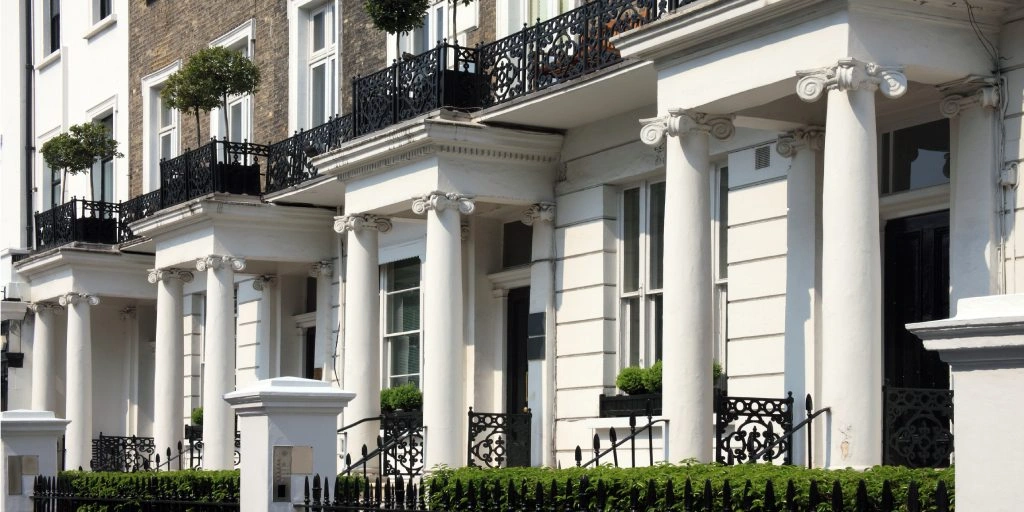
What Defines Rich Areas in London?
So what really makes the rich areas in London tick? It isn’t just house prices or old money. Step onto Walton Street in Chelsea early enough and you’ll smell warm sourdough from the bakery, hear children’s laughter bouncing off the stone walls by Hill House School. A nod from the doorman. A smile from the florist. Unlike the constant swirl of tourists in central London, here there’s a quieter rhythm. One resident once told me, “It’s not about the houses, it’s the neighbors.” Isn’t that what really matters? That’s the secret to these premium London areas, a sense of belonging woven into every street.
The Most Coveted Richest Parts of London
The richest parts of London all have their own peculiar charm, and it’s the little moments that stick with you. I remember strolling through Belgravia one autumn afternoon, leaves tumbling down Eaton Square, a gardener humming to himself while trimming roses behind an old iron gate. In Chelsea, the morning queue at Gail’s Bakery can feel like a reunion, locals swapping gossip while the barista hands over flat whites. Mayfair is different: crisp suits, polished door handles, and the odd Rolls-Royce parked near Berkeley Square. And then there’s Hampstead, where I once overheard a man in a tweed jacket sigh, “It’s not the price, it’s the peace.” Each of these premium London areas wears its prestige differently, some in quiet community rituals, some in showy style. But underneath it all, it’s the stories and the steady pulse of daily life that give these neighborhoods their real allure.
Understanding Property Value in London’s Premium Zones
When people talk about property value in London’s premium zones, they usually mention the big names, Kensington, Mayfair, Hampstead. But what really stands out is how these places bounce back. I remember how, just a year after the 2020 downturn, a friend’s flat near Kensington Gardens was suddenly worth even more than before, while other postcodes were still lagging. It’s not just the postcode or the square footage. It’s an address people want, sometimes at any price. “You’re not only buying space, you’re buying into a story,” one local agent told me over coffee. And it’s true. In these neighborhoods, you’re just as likely to see homes passed from one generation to the next as you are to spot a new billionaire moving in. Compare that to less established parts of London, where prices swing up and down much faster. In the richest parts of London, stability isn’t just a sales pitch, it’s part of the neighborhood’s DNA.
What Drives Demand in Rich Areas?
Why does everyone seem to chase after the rich areas in London? It’s the little things, a walk through the private gardens in Notting Hill where you’ll hear birds instead of traffic, or the fact that top schools like King’s College and Francis Holland are practically around the corner. I chatted with a buyer in Chelsea last year who admitted, “Honestly, it’s the Saturday mornings at Bluebird and knowing my kids can walk to school.” There’s also the draw of being close to the City for work, but coming home to streets where neighbors actually know your name. Compare that to other parts of town, and you start to see why these premium London areas never really fall out of fashion. Isn’t that the dream, a busy life with a private oasis at the end of the day?
House Prices London: How Much More Do You Pay?
Let’s talk numbers for a second. Last year, I watched a two-bed flat on Cadogan Square go for around £4,000 to £5,000 per square foot. Yes, you read that right. In Peckham, you could buy a whole house for less. But buyers in the rich areas in London aren’t just after bricks and mortar. One investor in Mayfair told me, “You’re buying a legacy, not just a flat.” There’s something almost surreal about stepping through a marble-floored entrance, feeling the cool hush, and realizing you’re part of a very small club. Is it worth the premium? For many, it’s not just the postcode, it’s the promise of history, belonging, and that particular kind of prestige you just don’t find elsewhere.
Investment Perspective: Are Rich Areas Worth It?
I know an investor who bought a small flat just off Mount Street in Mayfair back in 2019. He didn’t get rich quick, but when the 2020 market wobble hit, his place barely budged in value while friends with new builds further east watched prices dip. That’s the thing with investing in the richest parts of London: you might not see wild annual jumps, but you sleep better at night. “These addresses are less rollercoaster, more anchor,” a property advisor once told me over coffee in St John’s Wood.
Of course, there are trade-offs, high entry costs, painful stamp duty, and the reality that it can take months to sell if you need to cash out fast. But if you care more about keeping what you’ve earned than doubling your money overnight, these premium London areas just keep working. For a lot of people, that quiet resilience is worth every penny.
Alternatives to Investing in the Richest Parts of London
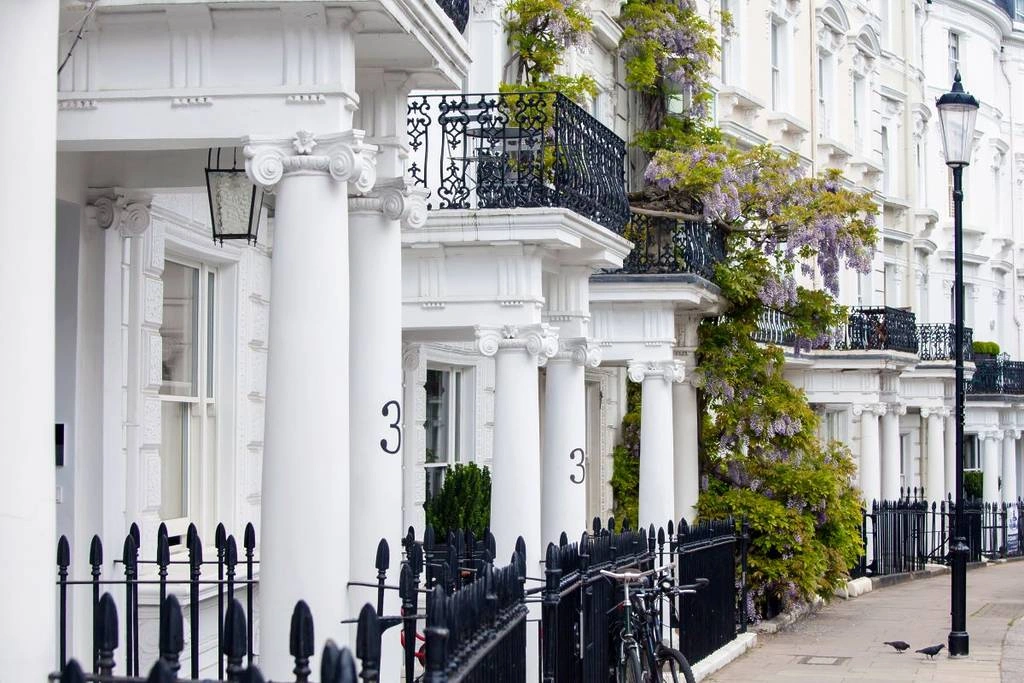
A friend of mine recently bought a bright Victorian flat in Fulham, same square footage as her old Chelsea rental, but she paid less than half the price. She still grabs coffee on King’s Road and walks along the Thames, but now her weekends include Maida Vale’s farmers’ market or an evening pint in a quieter pub. That’s the appeal of neighborhoods just outside the richest parts of London. As an Islington resident once told me, “We get the best of both worlds, location and value.” Of course, there’s no guarantee these up-and-coming spots will skyrocket, but if you’re priced out of the traditional elite zones, exploring just beyond can be a smart move, without giving up too many of the perks.
Practical Tips for Buying in Rich Areas
If you’re planning to buy in one of London’s rich areas, a little local wisdom goes a long way:
- Skip the endless Right move scrolling. One friend nearly lost out on a Marylebone mews house because he waited just a weekend. Good agents give loyal clients first dibs on off-market gems.
- Don’t assume the headline price is the end of it. Expect to pay 20 to 30% more in service charges for historic apartments, and some listed buildings come with eye-watering repair costs. Ask upfront.
- Know your micro-markets. A two-minute walk can mean a £200,000 difference in value. Seriously.
- Be decisive. In the richest parts of London, hesitation is expensive. The best homes go fast.
- Always get legal advice from someone who knows the quirks of these postcodes. Odd lease terms or surprise restrictions are more common than you think.
In these neighborhoods, luck really does favor the prepared.
Case Studies / Mini-Profiles
Take Anna, for example. She bought a weathered Victorian terrace on Cheyne Row in Chelsea back in 2013, mostly because she loved the wisteria climbing the old brick. For the first couple of years, prices barely moved, but by last spring, her agent was telling her she could get almost double what she’d paid. “I never expected it to appreciate so quickly,” Anna told me, still half in disbelief.
Then there’s Samir, who took a chance on a small flat near Hampstead Heath in 2016, just as work started on the new Overground extension. Rents in his building shot up, and now he’s using the extra income to travel. What do both stories have in common? Patience, a bit of luck, and a sharp eye for what’s changing in even the most established postcodes.
Conclusion: Is It Right for You?
As one longtime Chelsea resident once told me, “It’s not just about value. It’s about coming home to a street you genuinely love.” That’s really the heart of investing in rich areas in London. It’s more than just numbers on a spreadsheet. Maybe you crave the comfort of tradition, or maybe the buzz of a new postcode is calling you instead. Either way, the best move is the one that fits your own story. Do your homework, trust your gut, and ask yourself: Is heritage worth a premium to you, or is the future somewhere unexpected? Sometimes, the right answer isn’t just about the market. It’s about how you feel when you turn the key.
FAQs
- Which are the richest parts of London for property investment?
Mayfair, Knightsbridge, Chelsea, and Hampstead consistently rank among the most desirable premium London areas.
- Do rich areas in London always offer better property value?
They tend to be more stable, but not every postcode guarantees rapid growth. Timing and specific location matter.
- Is it harder to buy in the richest parts of London as a foreign investor?
There are no restrictions, but buyers should prepare for higher taxes and stricter lending criteria.